For middle-aged and elderly people, osteoporosis is a common health hazard — as bone density decreases, vertebrae are prone to compression fractures due to minor external forces (such as bending over or coughing), causing severe pain, spinal deformity and even limited mobility. As a targeted minimally invasive medical technology, the vertebroplasty system can effectively solve such problems. By injecting bone cement into the damaged vertebrae, it quickly strengthens the vertebral structure, relieves pain and restores spinal stability. This article will analyze the core information of the vertebroplasty system in detail to help you fully understand this treatment plan.
I. What is a Vertebroplasty System?
A vertebroplasty system is a medical technology specifically used to treat vertebral fractures or osteoporotic vertebral compression fractures. When a vertebra is fractured due to osteoporosis, trauma and other reasons, accompanied by loss of vertebral height and spinal deformity, vertebroplasty provides support for the damaged vertebra by precisely injecting bone cement, thereby:
- Reducing pressure and friction at the fracture end to relieve pain;
- Restoring the supporting force of the vertebra to prevent further collapse;
- Correcting spinal deformity and improving the patient's posture and mobility.
It is mainly suitable for patients with vertebral fractures who have poor results from conservative treatments (such as medication and bed rest), and is a commonly used minimally invasive clinical treatment.
II. Surgical Procedure of the Vertebroplasty System
Vertebroplasty is a minimally invasive surgery that can usually be completed on an outpatient basis, with a clear overall process and short operation time:
1. Anesthesia and Localization
Before the operation, the doctor will choose local anesthesia or general anesthesia according to the patient's condition to ensure that there is no obvious pain during the operation. Then, X-rays or other imaging techniques are used to accurately locate the vertebrae to be treated, providing accurate guidance for subsequent operations.
2. Puncture and Balloon Dilatation
At the localization point, the doctor inserts a thin puncture needle through the skin and muscle, reaching directly into the damaged vertebra. In some cases, a balloon dilator is used: liquid is injected into the balloon to gradually expand the collapsed space inside the vertebra — this not only creates conditions for bone cement injection, but also helps restore vertebral height and improve spinal curvature.
3. Bone Cement Injection
When the internal space of the vertebra is ready, the doctor will slowly inject bone cement. The bone cement hardens quickly (usually within a few minutes) after injection, forming a stable support structure that firmly fixes the damaged vertebra to prevent further fracture or collapse.
4. End of Surgery
After the bone cement is completely hardened, the doctor removes the puncture needle and the operation is completed. The patient only needs a short observation (usually 1-2 hours) after the operation, and can go home the same day if there is no abnormality.
III. Core Advantages of Vertebroplasty
Compared with traditional open surgery, vertebroplasty has very significant advantages:
1. Rapid Pain Relief
After the bone cement hardens, it can immediately stabilize the damaged vertebra and reduce the pressure and friction at the fracture end — most patients can experience significant pain relief within a few hours after surgery, without relying on painkillers for a long time.
2. Restoring Spinal Stability
Through balloon dilatation and bone cement support, the vertebral height can be partially or completely restored, the normal sequence and physiological curvature of the spine are corrected, and the patient's posture, standing ability and daily activities (such as walking and bending) can be improved.
3. Minimally Invasive and Fast Recovery
The operation only requires a small incision (about 2-3 mm), with minimal damage to surrounding muscles and nerves. Patients do not need to be hospitalized for a long time, can be discharged on the same day, and can resume normal life 1-2 weeks after surgery (specifically depending on individual conditions).
IV. Potential Risks and Complications of Vertebroplasty
Although vertebroplasty is relatively safe, any surgery has certain risks, and patients need to understand them in advance:
1. Bone Cement Leakage
In a few cases, bone cement may leak into the tissues around the vertebra (such as the spinal canal, blood vessels or adjacent vertebrae), which may cause local pain and numbness, and in severe cases, further treatment is required (but the incidence of such cases is low).
2. Infection
If the disinfection is not thorough during the operation, infection at the puncture site or in the vertebra may occur, which requires antibiotic treatment; in severe cases, a secondary operation may be required to clean the infected tissue.
3. Nerve Injury
If the operation is improper during the puncture process, it may touch the nerves around the vertebra, leading to numbness, pain or movement disorders — but this situation is relatively rare and mostly related to the doctor's operating experience.
Conclusion: Rational Choice and Scientific Treatment
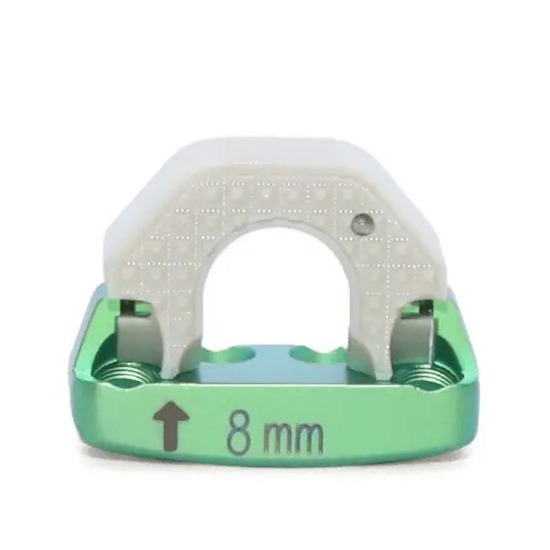
The
vertebroplasty system is an effective method for treating osteoporotic vertebral compression fractures, which can quickly relieve pain, restore spinal function and significantly improve the patient's quality of life. But before deciding to undergo surgery, it is recommended that patients fully communicate with their doctors:
- Clarify their own condition (such as the severity of the fracture, bone density status);
- Understand the specific process, potential risks and expected effects of the operation;
- Make a choice after weighing the pros and cons based on the doctor's professional evaluation.
Only through scientific understanding and doctor-patient collaboration can vertebroplasty better meet the patient's health needs.