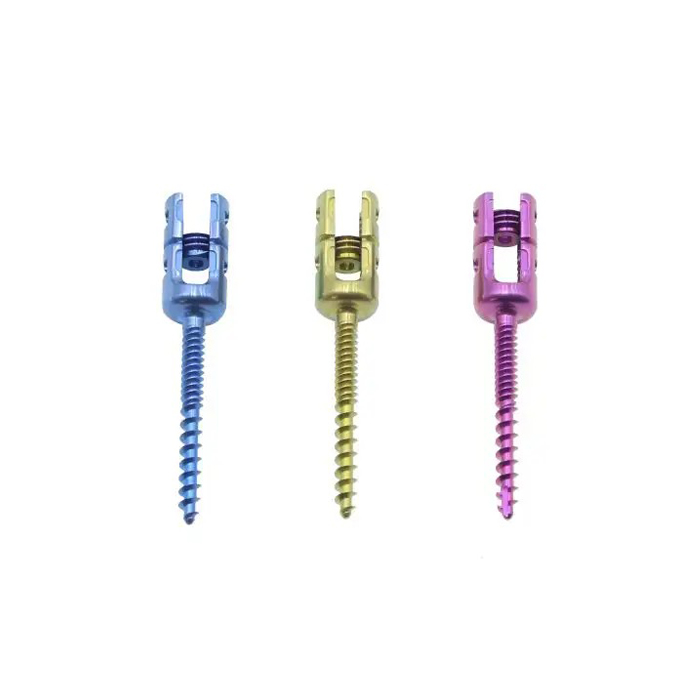
The craniomaxillofacial fixation system is a key medical device in modern medicine for the treatment of craniomaxillofacial bone trauma and reconstructive surgery. By stabilizing fracture sites and supporting bone healing, it provides critical support for treatments such as craniomaxillofacial trauma and deformity correction. With advances in medical technology, this system has continuously innovated in terms of materials, technology, and applications, delivering more precise and safer treatment experiences for patients.
I. Core Functions and Application Scenarios of the Craniomaxillofacial Fixation System
The craniomaxillofacial fixation system, mainly composed of components such as bone plates and bone screws, is applicable to scenarios including midfacial trauma, skull fractures, craniofacial reconstructive surgery, and maxillomandibular orthognathic surgery. Its core function is to stabilize the structure of fracture sites by fixing the skull and jaw bones, creating favorable conditions for bone healing. Meanwhile, it assists in adjusting bone position in deformity correction surgeries to achieve dual restoration of function and appearance. Whether in the treatment of complex craniomaxillofacial fractures or the correction of congenital craniomaxillofacial deformities, the craniomaxillofacial fixation system plays an indispensable role.
II. Absorbable Internal Fixation Materials: An Innovative and Patient-Friendly Breakthrough
Traditional craniomaxillofacial fixation materials are mostly metallic. While they offer strong stability, they may require secondary surgery for removal. In recent years, the application of absorbable internal fixation materials has become an important development direction. Made from substances with excellent biocompatibility, these materials are gradually and naturally absorbed by the body after implantation, eliminating the need for secondary surgery and reducing patient suffering and recovery time. They are particularly suitable for pediatric craniomaxillofacial surgery, as they avoid the potential impact of metallic materials on bone growth, providing a more patient-friendly treatment option.
III. 3D Printing Technology: Precise Realization of Personalized Implants
The introduction of 3D printing technology has ushered the craniomaxillofacial fixation system into the era of personalized customization. Based on a patient's medical imaging data, reconstructive implants that perfectly match the patient's bone morphology, such as skull repair plates and mandibular fixation components, can be precisely designed and manufactured. Such personalized implants fit bone defect sites better, improving fixation effectiveness and surgical accuracy, while reducing damage to surrounding tissues and shortening surgical time, providing technical support for complex craniomaxillofacial reconstructive surgeries.
IV. Analysis of Mainstream Products: Meeting Diverse Surgical Needs
Mainstream products of the craniomaxillofacial fixation system are designed for different surgical scenarios with distinct features. For example, the facial screw-plate system is suitable for multi-point fixation of midfacial fractures, achieving stable splicing of bone fragments through an elaborate screw-plate structure; skull repair plates are used for repairing skull defects and are required to have good strength and fitting performance; auxiliary materials such as dural patches are used to protect brain tissue and reduce the risk of postoperative complications. These products are continuously optimized through clinical practice, gradually enhancing surgical safety and treatment outcomes.
V. Robotics and Computer-Assisted Technology: Enhancing Surgical Precision and Planning
Modern technology is deeply empowering craniomaxillofacial fixation surgeries. Robot systems based on optical navigation and force feedback control can assist surgeons in performing fine operations such as osteotomy, bone drilling, and bone grinding, reducing human error and improving surgical precision; computer-assisted technology, through 3D patient mesh models, allows surgeons to simulate complex surgical procedures such as mandibulectomy and fibula grafting before surgery, plan surgical paths in advance, and optimize implant positions, thereby improving surgical success rates and patients' postoperative recovery outcomes.
Conclusion
The development of the
craniomaxillofacial fixation system is the result of the integration of materials science, digital technology, and medical practice. From the application of absorbable materials to 3D-printed personalized implants, and from robot-assisted surgery to computer-aided precise planning, innovations in this field are continuously bringing new possibilities for the treatment of craniomaxillofacial trauma and deformities. In the future, with further technological breakthroughs, the craniomaxillofacial fixation system will become more precise and safer, delivering higher-quality medical services to patients.